House Footing Construction in Greenville, SC
House footing construction involves creating a stable foundation for residential structures, ensuring that buildings are supported properly and remain secure over time. This service typically covers projects such as new home construction, additions, or foundation repairs where a solid base is essential. Property owners often want to understand the types of footings suitable for their soil conditions, the materials used, and how the footing design can affect the longevity and safety of their property.
Before requesting footing construction, homeowners usually seek information about the scope of work, including excavation requirements, reinforcement details, and the overall process involved. It’s also common to inquire about how the footing will integrate with existing foundations or structures, as well as any considerations related to local building codes and soil stability. Understanding these aspects helps property owners make informed decisions about their construction or repair projects.
Many property owners in Greenville, SC look into House Footing Construction for repairs, replacements, upgrades, and appearance-related improvements.
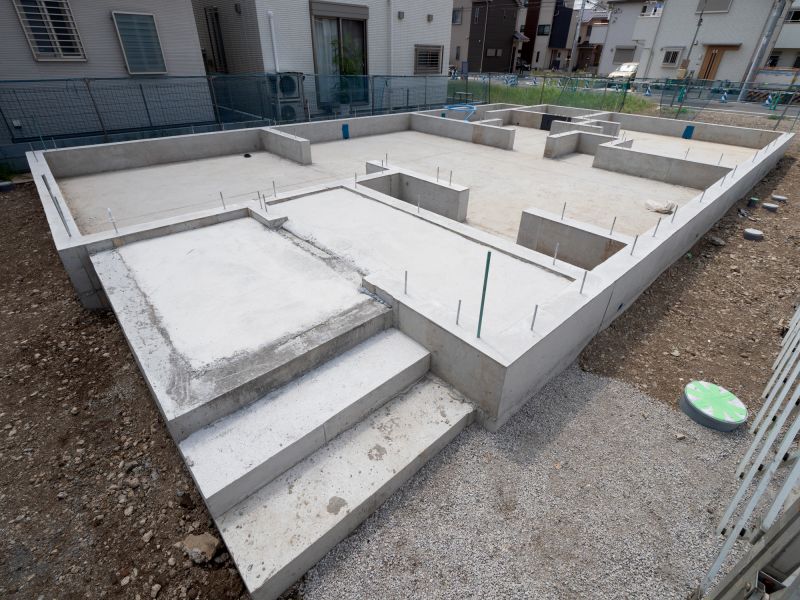
Foundation Stability
Proper house footings provide a strong base that supports the entire structure.
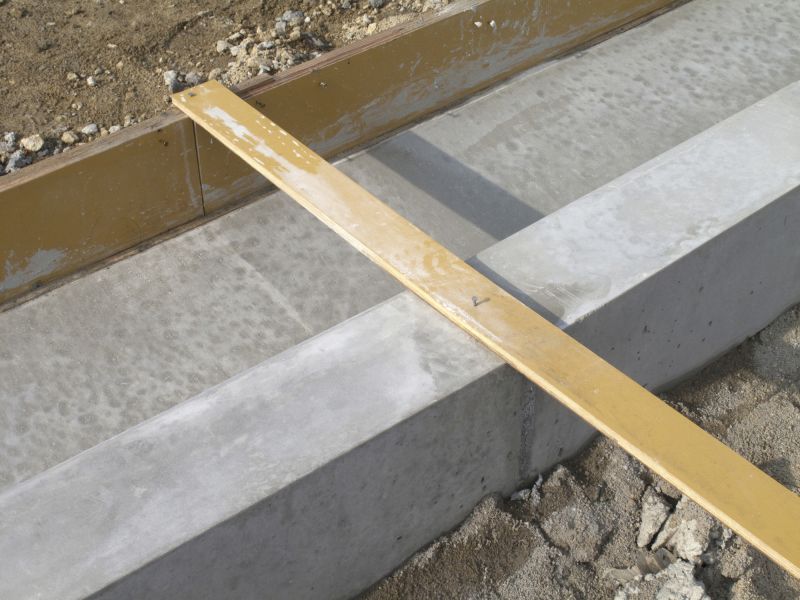
Construction Durability
Well-constructed footings help prevent settling and shifting over time, especially in greenville's varied soil conditions.
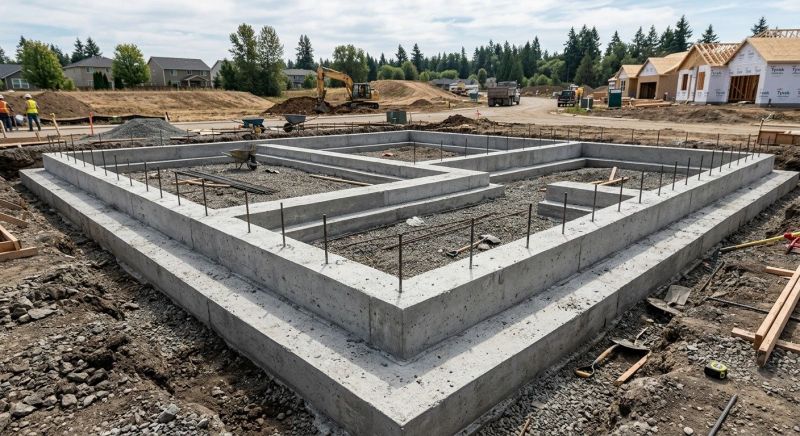
Design Compatibility
Footings are customized to match the size and style of different residential and commercial buildings in the area.
House Footing Construction in Greenville, SC
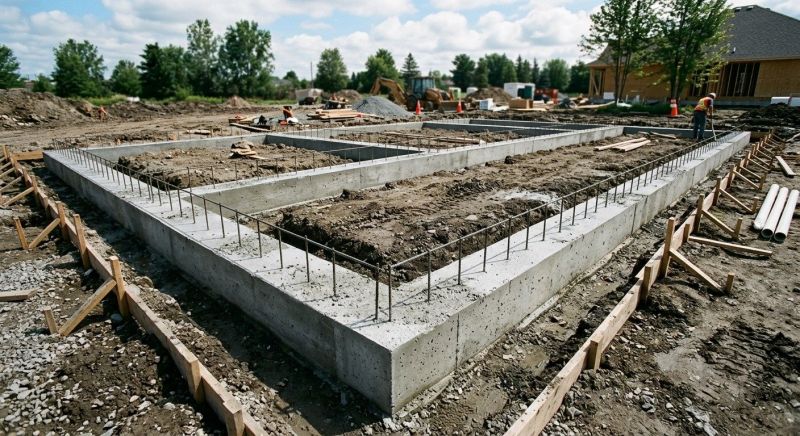
House footing construction involves creating a stable foundation for residential structures, ensuring that buildings are supported properly and remain secure over time. This service typically covers projects such as new home construction, additions, or foundation repairs where a solid base is essential. Property owners often want to understand the types of footings suitable for their soil conditions, the materials used, and how the footing design can affect the longevity and safety of their property.
Before requesting footing construction, homeowners usually seek information about the scope of work, including excavation requirements, reinforcement details, and the overall process involved. It’s also common to inquire about how the footing will integrate with existing foundations or structures, as well as any considerations related to local building codes and soil stability. Understanding these aspects helps property owners make informed decisions about their construction or repair projects.
Many property owners in Greenville, SC look into House Footing Construction for repairs, replacements, upgrades, and appearance-related improvements.
Common House Footing Construction Jobs
Foundation Footings - essential support structures that stabilize the entire house.
Basement Footings - provide a solid base for basement walls and prevent settling.
Slab Footings - support concrete slabs used for ground-level floors.
Underpinning Footings - reinforce existing foundations to improve stability.
Pier Footings - support columns and load-bearing piers for added structural strength.
Retaining Wall Footings - create stable bases for retaining walls to prevent shifting.
House Footing Construction Questions
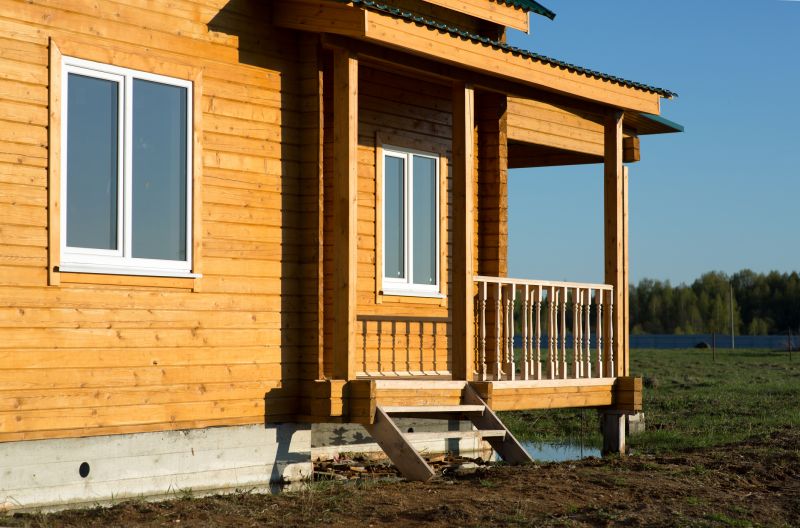
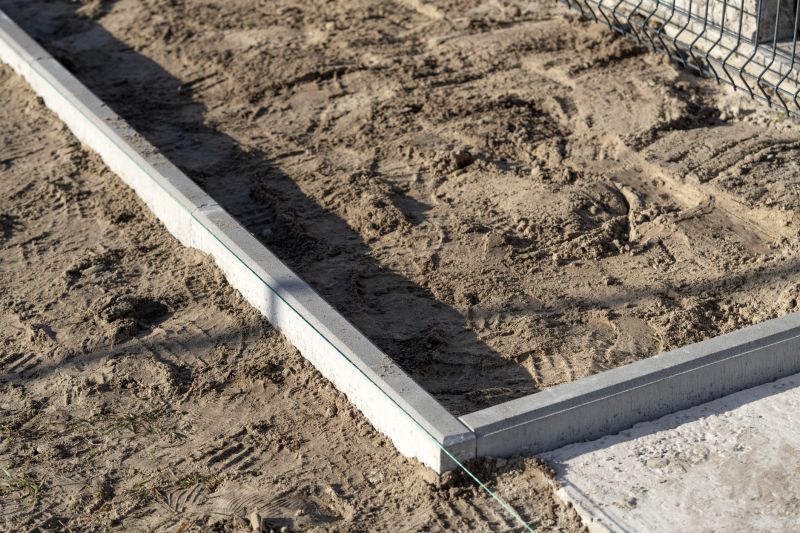
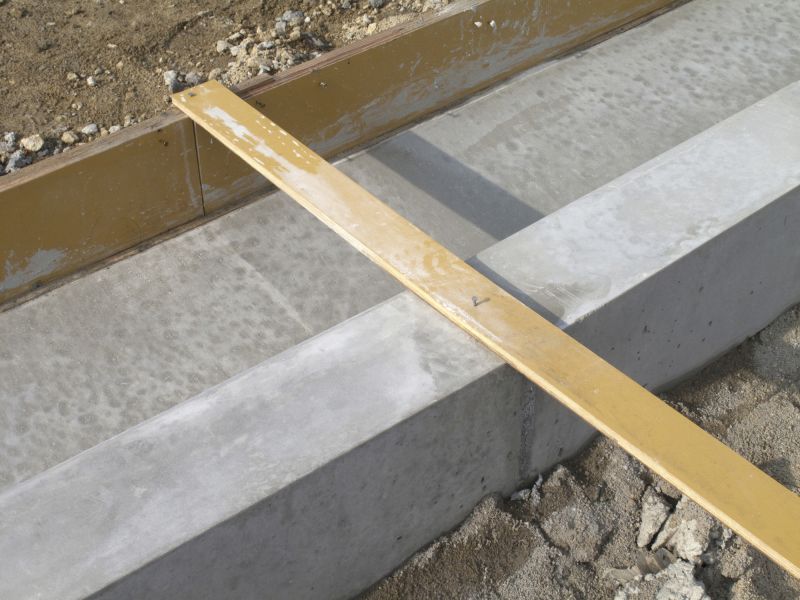
What is a house footing? A house footing is a concrete base that supports the foundation, helping distribute the building's weight evenly across the ground.
Why are footings important in construction? Proper footings provide stability and prevent settling or shifting of the structure over time.
What types of projects typically require footing construction? Footings are essential for new home foundations, additions, and major remodeling projects that involve the foundation.
What should property owners consider before installing footings? It's important to evaluate soil conditions and ensure proper depth and size to support the structure effectively.
Request House Footing Construction in Greenville, SC
Use the quote form on this page to share the basics of your project and request more information for the type of work you need.